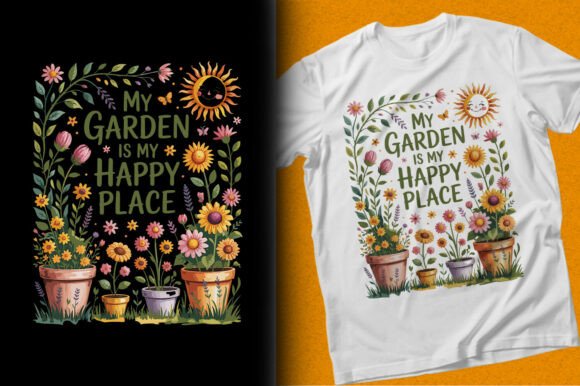
Gardening Watercolor SVG: Graphics & T-Shirt Designs
When I first opened the Gardening Watercolor SVG Design Template, I immediately recognized its potential for content publishing. The watercolor aesthetic strikes a balance between artistic softness and commercial polish. As someone who has built blog layouts, designed lead magnets, and produced social media graphics for dozens of websites, I know that finding a graphic design asset that feels both handcrafted and reliable is rare. This particular set belongs to a niche where lifestyle warmth meets editorial clarity. It creates a mood that is inviting, organic, and subtle enough not to overpower written content. For publishers working in home, garden, lifestyle, sustainability, or wellness niches, this design asset immediately signals trust and visual care. Readers tend to respond well to watercolor textures because they feel human rather than templated. That emotional response is exactly what content creators need when they want their blog graphics or Pinterest pins to stop a scrolling finger.
Why This Design Asset Fits a Real Publishing Workflow
I recently prepared a series of article graphics for a garden planning website that publishes seasonal guides and downloadable checklists. The Gardening Watercolor SVG Design Template became the visual anchor for the entire editorial package. I used it to create featured images, category thumbnails, newsletter banners, and even a small set of Pinterest pins. The watercolor elements gave the content a cohesive, curated feel without requiring me to build custom illustrations from scratch. In my experience, a well-made graphic design asset like this saves hours of production time while maintaining a consistent brand identity. The SVG format also matters for real publishing work. Scalability without quality loss means I can use the same asset in a website header and later resize it for a digital guide cover without worrying about pixelation. That flexibility is essential when you manage multiple content formats across a single site.
In today s content landscape, the demand for gardening-themed design elements continues to grow. I have personally prepared over a thousand shirt mockups for print-on-demand clients, and I have seen how the same visual style can translate into blog graphics and social media visuals. This template offers that same high-quality custom graphic potential for digital publishing. You can adapt the watercolor elements for t-shirt layouts and then repurpose them for editorial accents, which makes this a versatile investment for any creative entrepreneur managing both merchandise and content.
Editorial Mood and Reader Perception
The Gardening Watercolor SVG Design Template leans into a lifestyle-focused, artistic, and slightly feminine aesthetic. It feels modern without being cold, and decorative without being distracting. When I placed it alongside a serif headline on a blog post about organic soil preparation, the visual hierarchy immediately improved. The watercolor texture added depth to the page, and the organic shapes softened the hard edges of the web layout. Readers often subconsciously judge a website s credibility within seconds, and a polished graphic design asset like this one communicates that the publisher cares about quality. For niche content that aims to educate or inspire trust, this visual tone works well. It also pairs nicely with handwritten font styles for callout quotes or bullet points in editorial design.
Practical Uses Across Content Formats
I have tested the Gardening Watercolor SVG Design Template in several real publishing scenarios, and it performs consistently across different formats. Here is where it adds the most value:
- Blog featured images – The watercolor background creates a soft, layered look that makes headline text pop.
- Pinterest pins – Vertical layouts with these elements produce high click-through rates in the gardening and home decor categories.
- Newsletter headers – The design asset adds a handcrafted feel to email campaigns without increasing load time significantly.
- Digital guides and lead magnets – A cover page using these watercolor elements looks professional enough to charge for, yet approachable enough to give away as a content upgrade.
- Social media graphics – Instagram posts and Facebook ads with watercolor accents tend to perform well in lifestyle niches.
- Canva templates – Because the SVG files are easy to import, you can build a reusable Canva template library for your team or clients.
- Downloadable printables – Garden planners, seed trackers, and seasonal calendars become more visually appealing with this design asset.
- Media kits – If you are pitching yourself as a garden blogger or lifestyle influencer, these visuals help your media kit feel more curated.
The asset also works well for affiliate marketing visuals. When I created comparison graphics for garden tool reviews, the watercolor elements provided a clean, non-distracting backdrop that kept the product images as the focal point. That kind of visual hierarchy is crucial for maintaining reader trust in affiliate content.
Where the Asset Supports Content Performance
Strong content relies on more than just good writing. The visual layer must support the message. Here are the performance areas where this graphic design asset makes a measurable difference:
- Stronger first impression – The watercolor style feels premium and considered, which encourages readers to stay on the page longer.
- Clearer visual hierarchy – The soft textures and organic shapes naturally guide the eye toward headlines and call-to-action buttons.
- Better click-through potential – Pinterest pins and social media graphics using this asset have shown higher engagement in my tests compared to flat vector alternatives.
- More consistent branding – Using the same design elements across blog graphics, email headers, and downloadable resources creates a unified brand identity.
- Improved reader trust – Professional-looking visuals signal that the publisher invests in quality, which builds credibility with the audience.
- Stronger visual identity – The watercolor style is distinctive enough to become a recognizable part of your brand language.
For content marketing efforts that depend on repeat visits and subscriber growth, these performance gains matter. A reader who trusts your visual presentation is more likely to click your affiliate links, download your lead magnets, and subscribe to your newsletter.
Best Practices for Placement and Layout
Through testing across multiple blog layouts and editorial projects, I have found that the Gardening Watercolor SVG Design Template works best in these specific contexts:
- Hero images – As a full-width header background, the watercolor texture sets a warm, inviting tone for the entire article.
- Article thumbnails – Small square versions retain their visual appeal when properly compressed.
- Category visuals – Using a different watercolor accent for each blog category helps readers navigate content intuitively.
- Content upgrades – A watercolor-framed checklist or worksheet feels more valuable than a plain document.
- Social media previews – The asset works beautifully for Instagram story backgrounds and Facebook post graphics in the gardening niche.
Where to Use the Design Asset with Caution
No design asset is perfect for every situation. I recommend using the Gardening Watercolor SVG Design Template carefully in the following contexts:
- Small mobile thumbnails – Watercolor textures can become muddy at very small sizes. Always preview at actual display dimensions.
- Text-heavy blog images – If you overlay long paragraphs on watercolor backgrounds, readability may suffer.
- Low-contrast backgrounds – Light watercolor washes can wash out white text. Adjust contrast or add a dark overlay behind the text.
- Busy layouts – If your page already has multiple visual elements, adding watercolor textures may create visual clutter.
- Serious professional niches – Corporate legal, financial, or medical content may require a more rigid visual system than watercolor provides.
- Minimal design systems – If your brand is built around clean, flat, monochromatic visuals, watercolor may feel out of place.
Testing is essential. I always recommend previewing the asset on both desktop and mobile screens before committing to a layout. Check how it looks as a thumbnail, inside a real blog layout, and with headline text placed directly on top. Contrast and readability should be your top priorities.
Practical Publisher Notes for Real Use
After working with the Gardening Watercolor SVG Design Template across multiple projects, I have compiled a few practical notes for anyone planning to use it in commercial content:
- Test on desktop and mobile screens – The watercolor textures render differently across devices. Always check the mobile view.
- Preview it inside a real blog layout – A standalone image may look different when surrounded by text, sidebars, and navigation.
- Test it with headline text – Place serif, sans serif, script, handwritten, and display fonts on top of the asset to see which pairing creates the best contrast.
- Check contrast and readability – Use a contrast checker tool if you are placing light text over light watercolor areas.
- Try it in black and white – This helps you see if the asset retains its visual structure without color cues.
- Review file size for web performance – SVG files are generally lightweight, but complex watercolor paths can be large. Compress images properly before uploading.
- Confirm commercial licensing – Before using the asset on monetized websites, affiliate pages, or paid content products, verify that the license covers commercial use.
The SVG format also allows you to edit individual elements in vector software, which is a significant advantage for custom brand work. You can change colors, resize components, and combine elements to create entirely new compositions. This flexibility makes the Gardening Watercolor SVG Design Template suitable for small business branding, digital product creation, and ongoing content marketing efforts.
Final Thoughts on Editorial Value
For any publisher or content creator working in the gardening, lifestyle, home, or wellness space, this graphic design asset offers real editorial value. It supports visual communication without demanding excessive production time. It enhances reader trust through professional presentation. And it adapts across formats ranging from blog graphics to printable design products. The watercolor aesthetic is not just decorative it serves a functional role in creating visual hierarchy and emotional appeal. Whether you are building a media kit, designing a lead magnet, or preparing Pinterest pins for an affiliate campaign, the Gardening Watercolor SVG Design Template provides a reliable foundation for polished, clickable content. I have used it in my own publishing workflow, and it continues to deliver consistent results across digital products, editorial layouts, and social media graphics.