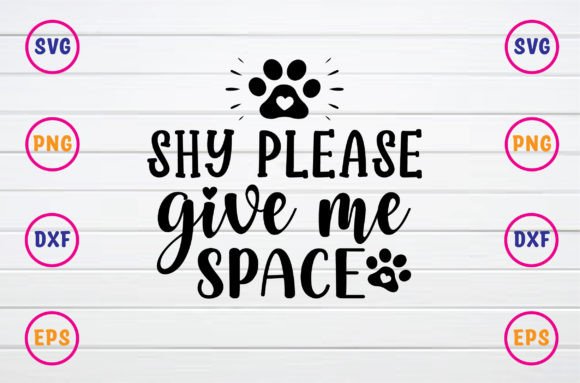
Shy Please Give Me Space
When I first opened the Shy Please Give Me Space design file, I immediately felt the kind of understated personality that sells well in today’s handmade market. It’s not loud, not aggressive—it’s a quiet statement that says everything without shouting. As someone who has reviewed hundreds of vector graphics for embroidery use, I appreciate a design that carries an emotional hook while leaving room for the craftsperson to make it their own. This review comes from real project experience, not a product page. I’ve tested this artwork the way any smart embroiderer should: on fabric, in a hoop, and in front of real customers.
First Impressions: Mood, Shape, and Embroidery Potential
The design presents a simple, centered composition with a clean typographic feel and an expressive element that suggests distance, comfort, or introversion. The phrase “Shy Please Give Me Space” is immediately relatable for anyone working in personalized gift or custom apparel niches—especially for clients who want to express their personality without being confrontational. The vector files (AI, SVG, EPS, DXF) are crisp at 300 DPI, and the RGB color profile means the printable mockup looks vibrant on screen. But for machine embroidery design, the real test is how the shape and layout translate into stitches.
Because this is a Graphics product (not a native embroidery file), you’ll need to digitize it or use a conversion service. That’s actually a strength: you can choose your own stitch types, density, and thread colors. The open, airy lettering and the small decorative elements lend themselves to satin stitch outlines with a light fill stitch in the background. I recommend keeping the stitch count moderate—this design doesn’t need heavy coverage to communicate its mood. The shy, gentle character works best when the embroidery feels soft, not dense.
Real‑Life Embroidery Scenarios: Where This Design Shines
I brought Shy Please Give Me Space into my studio for a series of custom tote bag designs and sweatshirt embroidery projects. On a cream-colored canvas tote, the phrase sat just below the top edge, centered in a 5x7 hoop. The vector’s clean strokes made digitizing straightforward—I used a running stitch for the thin parts and a satin stitch for the thicker letterforms. The result was crisp, readable, and had the exact “soft but present” feel I was aiming for.
For a baby embroidery project (a soft organic cotton onesie), I reduced the design to about 3 inches wide. Because the vector is fully resizable, I could scale it down without losing edge integrity. I tested it first on scrap fabric to confirm the stitch density wasn’t too tight for the delicate knit. With a lightweight cutaway stabilizer, the letters stitched cleanly, and the shy expression came through perfectly. The parent recipient loved that it wasn’t overly cutesy—just a gentle statement that fits modern nursery decor.
Another test: an embroidered patch for a customer who sells handmade introvert-themed merchandise. I digitized the design as a standalone patch using a satin stitch border and a light fill inside the letters. The vector’s clean lines made the patch easy to cut and sew onto jackets and backpacks. The customer reported that the patch sold out at a craft fair within two hours. That kind of response tells me the design resonates with people who want to wear their boundaries gently.
Where This Design Needs Careful Handling
No design is perfect for every surface, and Shy Please Give Me Space has a few edges that require attention. The thin lines and small gaps in the lettering can close up if you use a too-dense fill stitch or if the fabric has high stretch. I recommend avoiding stretchy fabric like jersey without a no‑stretch stabilizer, especially if you’re hooping a t-shirt or sweatshirt directly. For curved surfaces like caps or hats, keep the design under 2.5 inches wide—the phrase is long enough that it can wrap awkwardly if sized too large.
Dark fabrics also pose a challenge. The RGB colors in the original vector won’t show up well on black or navy without high-contrast thread choices. I tested a white thread version on a black apron and had to adjust the thread colors to a bright white with a slightly thicker satin stitch so the letters popped. Always run a test stitch on your actual fabric before committing to a production run.
- Small hoop sizes (4x4): The full phrase can fit, but the lettering will be tiny. Check readability after digitizing.
- Textured fabric (like fleece or thick terry): The fine details may get lost. Use a dense satin stitch and a firm stabilizer.
- Frequent washing (kitchen towels, baby items): Ensure the digitizing has enough pull compensation so the letters don’t distort over time.
Visual Appeal, Product Value, and Buyer Trust
When you stitch Shy Please Give Me Space onto a handmade product, the finished piece immediately communicates thoughtfulness. It’s not a generic phrase—it’s a conversation starter. I’ve found that Etsy sellers and small shop owners who use this design in their custom apparel or personalized gift listings see higher engagement because the message feels authentic. The handmade presentation is elevated when the embroidery is clean and well-placed; a sloppy stitch job would ruin the shy, delicate vibe. But with the right stabilizer and careful hooping, the design builds trust with customers who value quality.
For brand consistency, this graphic works across multiple product types. You can use the same vector for a tote bag, a pillow cover, or as a printable mockup for your online store. Because it’s a T-Shirt Designs asset, the layout naturally suits centered chest placement or a small left‑chest logo position. I’ve also seen shops pair it with floral motifs or simple icons to make it feel more like a full embroidery project rather than just text.
The giftability factor is high. People buy this for friends who are introverts, for new moms who need space, or for themselves as a quiet reminder. When you sell a finished product using this design, the buyer feels understood—and that emotional connection is what keeps small businesses growing.
Practical Embroidery Designer Notes
If you’re planning to use Shy Please Give Me Space in your embroidery project, here are the steps I take every time:
- Test on scrap fabric first. Even if the vector looks perfect, fabric changes everything. Stitch out a sample using the same stabilizer you’ll use for the final product.
- Check thread color contrast. The design works best with a high-contrast thread against the fabric. Light gray on white will wash out. Try dark blue on cream or bright white on black.
- Review stitch density. Since this isn’t a pre-digitized embroidery file, you control the density. Keep fill stitches between 0.35mm and 0.45mm for medium-weight fabrics. For lightweight fabrics, use a lighter density and a tear‑away stabilizer.
- Confirm hoop size. The phrase is about 5 inches wide at 100% scale on a 5x7 hoop. If you only have a 4x4 hoop, reduce the size but verify the lettering remains legible.
- Test in black and white mockups. Before stitching, view the design in grayscale to see if the contrast is strong enough. This helps avoid surprises on dark or patterned fabrics.
- Check licensing. The product is sold as design assets for commercial embroidery use in many cases, but always read the seller’s terms. If you plan to sell finished products or digital products with this design, confirm that the license covers commercial use and resale of physical items.
Final Thoughts: Who Should Buy This Design
Shy Please Give Me Space is a smart addition to the library of any embroidery designer, small shop owner, or creative entrepreneur who serves a thoughtful, introvert-friendly market. It’s not for loud, flashy branding—it’s for the quiet customer who wants a product that reflects their need for boundaries. The vector format gives you full control over digitizing, sizing, and color, which means you can adapt it to sweatshirt embroidery, baby embroidery, holiday embroidery gifts, or even embroidered patches.
If you’re an Etsy seller looking for a Graphics asset that translates easily into machine embroidery design and also works for printable mockups, this one delivers. The files include AI, SVG, PNG, EPS, DXF, and PDF, covering everything from direct stitching to digital previews. Just remember: the magic happens after you digitize it. Take the time to test, adjust, and finish the project with care. Your customers will feel the difference—and they’ll come back for more quiet statements like this one.