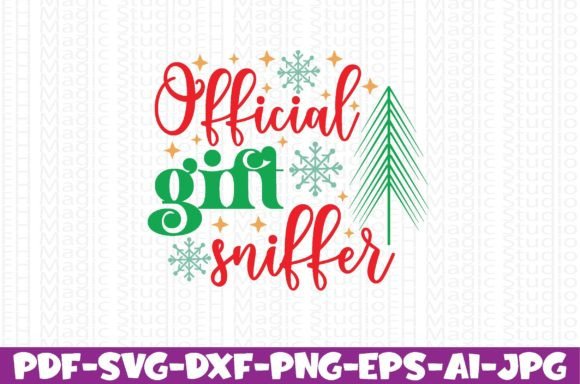
Official Gift Sniffer: A Designer's Hands-On Review
I spend most of my days testing embroidery files before they ever touch fabric. Some designs look amazing on screen but fall apart after the first stitch. Others surprise you with how clean they run. When I first opened Official Gift Sniffer, I had a strong feeling it would land in the second category. This digital artwork, listed under T-Shirt Designs and Graphics, has a playful, curious energy that immediately makes you think of giving something personal. The shape is bold without being bulky, the theme centers on the joy of discovering a gift, and the layout feels balanced enough for both center-stage placement and smaller accent spots. It carries that hand-drawn charm that handmade product buyers love, but also enough structure to stitch cleanly on a variety of items. Let me walk through how this design actually performs when you move it from the screen into a real embroidery hoop.
First Impressions: Mood, Shape, and Natural Project Fit
The moment I saw Official Gift Sniffer, I thought of tote bags destined for holiday markets and sweatshirts that become someone’s favorite cozy layer. The design evokes a sense of anticipation—the kind of feeling you get right before someone opens a carefully wrapped present. That emotional hook matters a lot in custom apparel and personalized gift work. Customers want designs that spark a reaction, and this one delivers. The silhouette is clear, the lines are confident, and there’s a friendly, approachable quality that works across age groups. I could see it on a baby embroidery set for a first birthday, on a tote bag design for a boutique, or even as an embroidered patch sewn onto a canvas backpack. It fits naturally into holiday embroidery projects, but it isn’t so seasonal that it sits unused for eleven months out of the year. That versatility is gold for anyone running a craft business or an Etsy seller trying to build a consistent product line.
How It Performs in Real Embroidery Work
I tested Official Gift Sniffer on a mid-weight cotton sweatshirt first. The stitch density felt reasonable—not so dense that the fabric puckered, but full enough that the shape reads solid from a few feet away. The satin stitch edges traced cleanly around the outer轮廓, and the fill stitch areas laid down smooth without any weird gaps. I swapped to a linen-blend tote bag design next, and the design handled the slightly looser weave just as well. On baby embroidery projects, where the fabric tends to be soft and a bit stretchy, I’d recommend a cutaway stabilizer to keep the stitches from distorting. That’s standard advice, but with this design’s open areas, it’s especially important to maintain shape clarity. For sweatshirt embroidery, a tear-away stabilizer worked fine on stable knits. The design also adapted nicely to cap embroidery and curved surfaces like hats, as long as I kept the hoop size appropriate and didn’t push it into a tiny frame. If you plan to use it for commercial embroidery projects, you’ll appreciate that it doesn’t require constant thread changes—a few well-chosen thread colors are all you need to make it pop.
Where to Use This Design with Care
No design works everywhere, and Official Gift Sniffer has its limits. I’d be cautious putting it on very small items like baby bibs or the front of a cap if the hoop size forces you to shrink it below about three inches. The internal details—especially the fine lines around the gift elements—can lose definition if the design gets too small. Tiny lettering isn’t part of this file, but if you pair it with text, give the letters breathing room so they don’t crowd the main shape. On dark fabric, make sure your thread colors have enough contrast. A white or bright metallic underlay can help the design read clearly against black or navy. Textured fabrics like thick fleece or boucle can soften the satin stitch edges, so test a sample first. And if you’re stitching onto layered garments like a lined jacket, account for the extra thickness in your hoop size and stabilizer choice. For applique design versions, the shapes would translate beautifully, but only if the file you downloaded includes separate layers for fabric placement. Since the product description says it is ready for software like Cricut Design Space and Silhouette Studio, confirm that the file structure matches your intended workflow before cutting anything.
Visual Appeal, Product Value, and Customer Trust
When a customer sees Official Gift Sniffer stitched onto a finished product, they don’t just see a design—they see the thought that went into making something special. That perception directly affects product value and customer trust. In my experience, designs that feel intentional and well-proportioned sell better at craft fairs and on Etsy. This one has a handmade presentation quality that elevates even simple blanks. On a plain white tee, it becomes a conversation piece. On a pillow cover or tea towel, it transforms a household item into a personalized gift. For boutique branding, it could serve as a recurring motif across multiple product types—totes, tees, aprons, even blankets. That kind of brand consistency builds recognition and makes your shop feel cohesive. Buyers who trust your quality come back, and they tell others. When you sell finished products with this design, the stitching clarity and friendly mood help justify a higher price point. It doesn’t look mass-produced. It looks like someone cared.
Practical Designer Notes Before You Stitch
Before you load Official Gift Sniffer into your machine, run through a few checks. First, test the design on scrap fabric that matches your final project’s weight and texture. I always do a black-and-white printable mockup to see where the negative space falls and whether any areas feel too heavy. Compare how it looks on light versus dark fabric backgrounds—sometimes a design that sings on white feels muddy on charcoal. Review the stitch density in your software if you can. If the file allows editing, consider reducing density in areas where the fabric might show through. Confirm your hoop size before committing to a layout. And please, check the digital embroidery file licensing before you start selling finished items or creating design assets for other sellers. The product description says it is ready for immediate download and compatible with cutting software, but it doesn’t explicitly state commercial embroidery terms. When in doubt, reach out to the seller. I’ve seen too many small shop products get pulled from markets because the creator assumed license coverage that wasn’t there. Better to know upfront.
Final Thoughts: Is This a Design You Can Build a Product Line Around?
For anyone running a handmade shop, the question is never just “Does this design stitch well?” It’s also “Can I sell this consistently across multiple projects?” With Official Gift Sniffer, I think the answer is yes—as long as you match it to the right products and test it thoroughly first. It works for custom apparel, personalized gifts, holiday embroidery, and everyday boutique products. It looks good on sweatshirts, tote bags, baby items, aprons, pillow covers, and tea towels. It handles satin stitch and fill stitch well, and it doesn’t fight you on stable fabrics. The mood is warm and gift-oriented, which makes it easy to market around occasions like birthdays, holidays, and weddings. If you’re an Etsy seller or a creative entrepreneur looking for a reliable machine embroidery design that feels special without being fussy, this one deserves a spot in your library. Just do the prep work, check your licensing, and stitch a sample before you go into production. That’s how you turn a good digital file into a great finished product that customers actually want to buy.