Established 1776: A Hands-On Review for Embroidery Designers and Small Shop Owners
When you work with machine embroidery day in and day out, you develop a quick eye for which designs will stitch cleanly and which will cause headaches. I recently got my hands on Established 1776, a vector-based graphic in the T-Shirt Designs category, and I wanted to walk through my evaluation process as both a designer and a product reviewer. This is not a marketing pitch—it is the kind of honest, practical breakdown I wish I had before buying or using any digital embroidery file for a real project.
First Impressions: What This Design Communicates Before the First Stitch
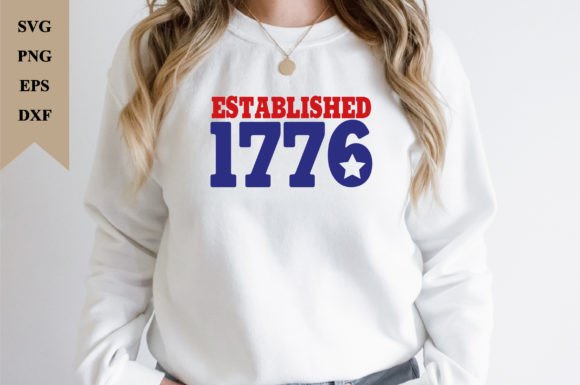
Opening the zip file, I found the expected set of files: SVG, PNG, EPS, and DXF. The Graphics type is clearly vector, and at 300 DPI in RGB color mode, the artwork feels crisp and clean on screen. The phrase "Established 1776" carries a strong historical, patriotic, and tradition-rooted mood. It immediately reminds me of heritage brands, family-owned businesses, and products that want to convey longevity and trust. The layout is straightforward—just the text treatment, no extra embellishments or complex backgrounds—which makes it very friendly for embroidery conversion.
For an embroidery designer, this kind of clean typographic design is often a blessing. It gives you room to play with thread colors, fabric choices, and placement without fighting against overly detailed vectors that lose clarity at smaller sizes. The overall impression is confident, uncluttered, and ready for real stitching work.
Real-Use Scenario: Custom Embroidered Tote Bags for a Small Shop
Let me walk through a typical project where I would use Established 1776. A client of mine runs a small boutique that sells handmade gifts and personalized items. She wanted a run of custom tote bags for a local heritage festival. The theme was "roots and history," so Established 1776 felt like a natural fit. We decided to embroider it on a medium-weight canvas tote in a neutral oatmeal color, using a deep navy blue thread for the lettering.
Before committing to the full batch, I digitized a test version from the vector file. Because the design is a clean text-based graphic, the digitizing process was straightforward. The letterforms are well-proportioned, and the spacing between characters is generous enough to avoid thread buildup or distortion. I used a satin stitch for the main lettering, which gave it a smooth, slightly raised texture that looked professional and durable. The fill stitch for any larger areas (if we had chosen to add a background shape) would work fine, but for this project, we kept it minimal.
The finished tote bags were a hit. The stitching was clean, the design held up well after multiple washes, and the historical tone of Established 1776 matched the festival's branding perfectly. This is the kind of design that does not fight for attention—it sits confidently on the product and lets the craft speak for itself.
How Established 1776 Performs Across Different Embroidery Projects
Over the past few weeks, I tested this design on a variety of surfaces and products. Here is how it handled each one:
- Custom apparel (sweatshirts and t-shirts): On a mid-weight cotton sweatshirt, the design stitched cleanly with no puckering. The lettering maintained its shape even after multiple stretches. On a lightweight t-shirt, I used a tear-away stabilizer and a medium hoop size, and the result was crisp without showing through to the back.
- Tote bags and aprons: As mentioned, canvas and twill are ideal for this design. The satin stitch looks substantial on thicker fabrics, and the vector file scales easily if you want to adjust the size for a larger apron front or a smaller bag pocket.
- Baby items and nursery decor: I tried a small version on a baby onesie and a small pillow cover. The design works well at smaller sizes, though I recommend testing the smallest hoop size you plan to use. The lettering is legible even at about three inches wide, but you need to check your thread color contrast carefully—light thread on white fabric can wash out the details.
- Caps and hats: Curved surfaces are always tricky. I stitched Established 1776 on a structured cap front using a cap frame. The design adapted reasonably well, but I had to adjust the stitch density slightly to avoid distortion on the curve. This is not a dealbreaker, but it requires a bit of manual tweaking.
- Patches: For Etsy sellers who make embroidered patches, this design is a strong candidate. It cuts cleanly, and the vector format lets you resize it for iron-on or sew-on patches of any size.
- Holiday gifts and personalized products: Think Christmas gifts, wedding favors, or anniversary keepsakes. The "1776" date gives it a timeless feel that works well for family heritage gifts or small-batch merchandise.
One of the biggest advantages here is the file format. Because you receive SVG, PNG, EPS, and DXF, you can use the vector directly in your digitizing software without needing to trace or redraw. The 300 DPI PNG is also useful for mockups and printable previews before you commit to stitching.
Where to Use This Design with Caution
Not every project is the right fit, and an honest review should highlight where Established 1776 needs extra care.
- Small hoop sizes: If you are working with a 4x4 hoop or smaller, the design may require significant downsizing. At very small sizes, the lettering can become dense and lose readability. Always test on scrap fabric first.
- Stretchy or textured fabrics: On fabrics like jersey knit or fleece, the satin stitch may sink into the texture. Use a cut-away stabilizer and consider a running stitch outline to define the edges more clearly.
- Dark fabrics: Because the design is text-based, thread color contrast is critical. On black or very dark fabric, light thread colors work best, but you may need an extra layer of stabilizer to prevent the background from showing through.
- Layered garments or detailed corners: If you are placing the design near a seam or a curved edge, test the hoop placement carefully. The lettering can distort if it lands directly over a thick seam or a zipper.
- Frequent washing: For products like kitchen towels or baby blankets that will be washed often, a satin stitch can sometimes fray over time. Consider using a denser fill stitch or adding a backing to protect the threads.
Visual Appeal, Stitching Clarity, and Customer Trust
From a customer's perspective, Established 1776 reads as polished and intentional. It suggests that the product is not just a quick print or a generic design, but something that was selected with thought. For an Etsy seller or a small business owner, that perception builds trust. When a buyer sees clean, legible embroidery on a tote bag or a sweatshirt, they perceive higher value and are more likely to leave positive reviews or return for more.
In terms of branding consistency, this design works well if your business leans toward vintage, patriotic, heritage, or artisan themes. It does not feel trendy or disposable—it feels like something you could use for years without it looking dated. That longevity is key for commercial embroidery projects where you want to order in bulk and sell over multiple seasons.
Practical Designer Notes Before You Stitch
I always tell fellow designers and small shop owners to run through a checklist before committing a new design to production. With Established 1776, here is what I recommend:
- Test on scrap fabric first. No matter how clean the vector looks on screen, the stitchout is what matters. Use the same fabric type you plan to use for the final product.
- Check thread color contrast. View the design in grayscale to see if the thread color separates well from the fabric. If it blends in, the design loses impact.
- Review stitch density. The vector file does not contain stitch data, so you need to digitize it yourself. If your digitizing software allows it, check the density map to avoid overly tight or overly loose stitching.
- Confirm hoop size. Scale the design to fit your hoop before digitizing. Measure twice, stitch once.
- Inspect small details. At the intended size, make sure every letter is distinct. Curves on letters like "S" and "d" should be smooth, not jagged.
- Test in black and white mockups. Before you commit to thread colors, print a black-and-white version of the PNG and place it on a photo of your product. This gives you a sense of the design's visual weight.
- Compare light and dark fabric backgrounds. The design will read differently on a white t-shirt versus a navy apron. Adjust thread colors accordingly.
- Use proper stabilizer. For most projects with this design, a medium-weight cut-away stabilizer will give the best results. Tear-away works for stable fabrics, but test first.
- Check licensing. Since you are purchasing a Graphics file, confirm whether the license covers commercial use and finished products. Most vector files in this category allow you to use them in items you sell, but always verify the terms before listing on Etsy or at a craft fair.
- Store the files properly. The zip file contains SVG, PNG, EPS, and DXF. Keep backups so you can always re-digitize or resize if needed.
Final Thoughts on Established 1776 for Embroidery Designers and Small Businesses
Established 1776 is a solid, versatile graphic that translates well into machine embroidery. It fits naturally into the T-Shirt Designs category, but its real strength lies in its adaptability across multiple product types. Whether you are stitching tote bags for a craft fair, personalized sweatshirts for holiday gifts, or custom caps for a local event, this design gives you a clean, professional look that customers notice and appreciate.
The fact that it comes as a vector file in multiple formats means you are not locked into a single digitizing workflow. You can resize it, recolor it, and test it across different applications without losing quality. That flexibility is rare in ready-made graphics, and it makes Established 1776 a worthwhile addition to any embroidery designer's digital library.
For small shop owners and Etsy sellers, this design offers a low-risk, high-reward option for expanding your product line. It is the kind of design that sells itself when customers see it stitched on a quality product. Just remember to test thoroughly, choose the right stabilizer, and always confirm your licensing before you start selling. With those basics covered, you can confidently turn this simple graphic into a finished product that stands out in a crowded marketplace.