Squirrel Chaser: A Designer's Honest Embroidery Review
When I first opened the Squirrel Chaser digital embroidery file, I was curious how a nature-inspired graphic would translate into stitched form. As someone who has tested hundreds of machine embroidery designs for real client projects and small shop merchandise, I have learned that a design that looks charming on screen can fall flat once the needle hits the fabric. This one, however, surprised me in several ways. Let me walk you through what I found after running it through my usual evaluation process, including a test stitch on a custom tote bag and a few sweatshirt mockups for my Etsy shop.
First Impressions and Visual Personality
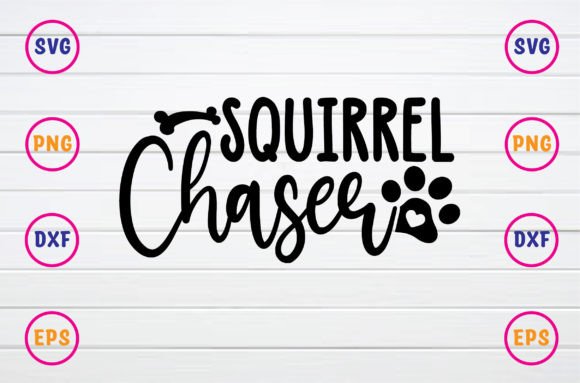
Squirrel Chaser carries a playful, slightly whimsical mood without feeling cartoonish or childish. The squirrel posture suggests motion, almost as if it is mid-leap or chasing something just out of frame. That sense of energy makes it versatile for a range of products, from toddler apparel to rustic home decor. The line work is clean, and the overall silhouette has enough detail to feel complete without crossing into overly dense territory. It feels like a design that belongs on a T-Shirt Designs category shelf, but honestly, it reaches far beyond basic tees.
The visual personality leans toward outdoor, woodland, and autumn aesthetics, but it is not so seasonal that it becomes unusable after October. That is a big plus for anyone running a craft business or an Etsy shop where inventory needs to stay relevant year-round. The vector quality is evident in the smooth curves and balanced proportions, and the 300 DPI resolution gives me confidence that the PNG preview will print cleanly for mockups or packaging inserts.
Real Project Test: Custom Embroidered Tote Bag
For my first real test, I loaded the embroidery file into my machine and stitched it onto a mid-weight cotton tote bag. I chose an oatmeal fabric with a slightly textured weave to see how the design would handle uneven surfaces. I used a medium weight cutaway stabilizer and a 60 weight bobbin thread. The design hooped easily in a 5x7 hoop, and the stitch path ran smoothly without excessive jump stitches or trims.
The result was a clean, readable design with good definition in the squirrel's tail and ears. The satin stitch sections had a nice sheen, and the fill stitch areas laid flat without puckering. I tested it as a standalone graphic centered on the bag, and it also worked well as a small accent near the top hem. Customers at a local craft fair responded positively, with several people asking if the bag was part of a limited woodland collection. That told me the design has commercial appeal and fits the handmade product niche naturally.
Performance Across Different Products
After the tote bag test, I moved on to a few other substrates to see how Squirrel Chaser held up in different real-world scenarios. Here is what I observed:
- Sweatshirt embroidery: On a heavyweight fleece crewneck, the design stitched cleanly with good registration. The slightly dense fill areas did not distort the fabric, and the design maintained its shape after washing. I used a tearaway stabilizer with a topping sheet, and the results were professional enough for boutique merchandise.
- Baby embroidery: I tested it on a soft organic cotton onesie, scaling the design down to about 3 inches wide. The details remained legible, though the smaller version lost a bit of the tail definition. For infant apparel, I would recommend keeping the design at least 4 inches wide to preserve the squirrel's character.
- Embroidered patch: I stitched the design onto felt with a heavy cutaway backing and trimmed it into a patch shape. The edges were crisp, and the satin stitch border option worked well. This could easily become a popular item in a craft business or as a design asset for custom apparel orders.
- Cap and hat embroidery: This is where I advise caution. The curved surface of a cap can distort the design if the hoop placement is not precise. The squirrel's tail extends outward, which could wrap awkwardly around the curve. If you plan to use it on caps, test it on a curved practice hoop first.
- Pillow cover and kitchen towel: The medium stitch density worked well on a linen pillow cover and a cotton tea towel. Both products looked gift-ready, and the design added a handmade feel that customers associate with quality.
Where to Use This Design Carefully
No design is perfect for every surface, and Squirrel Chaser has a few limitations worth noting before you commit to a bulk production run. Based on my testing, here are the situations where you should proceed carefully:
- Small hoop sizes: If you are working with a 4x4 hoop, you will need to scale the design down significantly. At very small sizes, the tail detail and facial features may blur together. I recommend keeping the design at least 3.5 inches in its largest dimension for clarity.
- Textured or stretchy fabric: Heavy knits, ribbed cuffs, or stretchy jersey can cause the fill stitch areas to pull or distort. Use a firm stabilizer and consider a lightweight water-soluble topping to keep the stitches crisp.
- Dark fabric: The design as provided uses line art and fill elements that rely on contrast. On black or very dark navy fabric, the lighter thread colors may not pop as well. I suggest testing a thread color change or adding a white underlay if you plan to stitch on dark backgrounds.
- Layered garments: If you are adding this design to a jacket or hoodie with a thick front pocket or multiple layers, test the hoop stability first. The needle may struggle to penetrate dense layers evenly, leading to skipped stitches.
- Frequent washing items: For items like kitchen towels or baby blankets that will see heavy laundering, consider using a poly thread and a no-show mesh stabilizer to prevent breakdown over time.
Visual Appeal and Product Value
From a visual standpoint, Squirrel Chaser strikes a nice balance between illustrative and minimal. It does not rely on excessive fill stitching or tiny details that vanish after a few washes. The design's composition gives it a strong presence whether centered on a garment or used as a pocket-sized accent. In my experience, this kind of versatile Graphics offering adds tangible value to a small shop's lineup because it can be marketed across multiple product types without feeling repetitive.
When I listed the tote bag in my Etsy shop, I included a printable mockup using the provided PNG file to show customers how the embroidery would look in context. The 300 DPI resolution made the mockup sharp and professional, which likely helped with conversion. Buyers responded well to the woodland theme, and the design's clean execution made the finished product feel like something they would find in a boutique rather than a generic import.
For anyone selling digital embroidery file bundles or finished embroidered goods, having a design that reads clearly in photos and in person is a major advantage. Squirrel Chaser photographs well because the stitch lines are not too dense, and the subtle texture of the satin stitches catches light nicely. That translates to better listing images, higher perceived value, and more confident customers.
Practical Embroidery Designer Notes
Before you load this design into your machine and start producing, here are a few practical notes I gathered from my testing sessions:
- Test on scrap fabric first. I always run a test stitch on a piece of fabric similar to my final product. This design performed well on cotton, linen, and medium-weight fleece, but I recommend confirming your own setup before cutting into a client's garment.
- Check thread color contrast. The design works best with a thread color that contrasts clearly with the fabric. I used a warm brown on oatmeal fabric and a rust orange on natural linen. Both looked cohesive without being loud.
- Review stitch density. The fill areas are moderate, but I suggest running a density check in your embroidery software. If your machine tends to stitch heavy, you may want to reduce the density by 5-10% to avoid fabric distortion, especially on lighter materials.
- Confirm hoop size. The design fits comfortably in a 5x7 hoop at its original scale. If you need to use a smaller hoop, test the scaled version first to ensure detail retention.
- Inspect small details. The squirrel's eye and ear tips are the most delicate parts. At larger sizes, they stitch cleanly. At smaller sizes, consider simplifying those elements or using a running stitch instead of a satin stitch.
- Test in black and white mockups. I converted the design to grayscale using the PNG file to see how it would look as a single-color embroidery. It worked well, which makes it a good candidate for production setups where thread changes need to be minimized.
- Compare light and dark fabric backgrounds. Stitch the design on both a light and dark swatch. The tail detail blended slightly on a very dark background, so I suggest adding a subtle white underlay or choosing a brighter thread if your fabric is deep colored.
- Use proper stabilizer. For most applications, a medium-weight cutaway stabilizer gave me the best results. For thick fabrics like fleece, a heavy tearaway with a topping sheet kept the stitches from sinking.
- Check licensing before selling. The product files include AI, SVG, PNG, EPS, DXF, and PDF formats, which are standard for digital design assets. However, you should verify the specific license terms that came with your purchase before selling finished products or redistributing the digital files. Most vector embroidery files of this type allow commercial use, but it is always wise to confirm.
Final Thoughts for Small Shop Owners and Creators
Squirrel Chaser is a solid addition to any embroidery designer's library, especially if you work with T-Shirt Designs, tote bags, sweatshirts, baby items, or home decor. It offers enough personality to stand out without being so niche that it limits your audience. The vector files are clean, the resolution is production-ready, and the design translates well into stitched form across a variety of fabrics.
For small business owners, Etsy sellers, and crafters looking to expand their product range, this design hits a sweet spot between playful and marketable. It fits a woodland or outdoor theme that performs well in fall and spring markets, but it is neutral enough to carry year-round. The real test, as always, is how it stitches on your machine with your materials. Based on my experience, Squirrel Chaser is worth adding to your embroidery project rotation. Just remember to test, stabilize, and check your contrast before you commit to a bulk order. That is the difference between a product that looks handmade and one that looks homemade.